
Petroleum Systems Engineering for Safety and Reliability
Protect people, assets, and operations by ensuring your fuel systems operate safely, efficiently, and in full compliance.
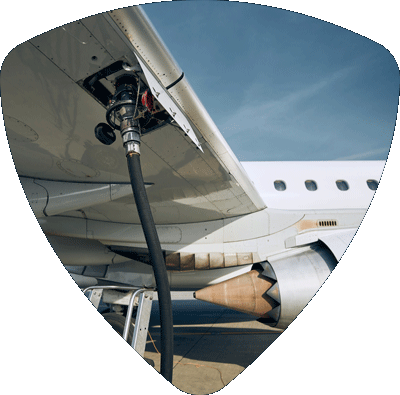
Fuel Systems Engineered for High-Risk Environments
Petroleum and fuel systems present unique operational, environmental, and safety risks. When these systems fail or underperform, the consequences can include safety incidents, environmental exposure, regulatory violations, and costly downtime. Petroleum Systems Engineering helps ensure your fuel storage, transfer, and dispensing systems operate as intended—under normal conditions and in high-risk scenarios.
Who Petroleum Systems Engineering is For
Petroleum Systems Engineering is designed for organizations responsible for fuel storage, transfer, and dispensing systems in regulated and mission-critical environments.
Whether you are an engineer, facility manager, operations leader, or compliance stakeholder, this service helps you reduce risk while maintaining operational readiness.
You may be responsible for:
- Ensuring safe handling and storage of petroleum products
- Preventing leaks, spills, or system failures
- Meeting environmental and regulatory requirements
- Maintaining reliable fuel delivery to critical operations
- Managing aging or complex fuel infrastructure
The petroleum system challenges your managing
Fuel systems operate under strict safety and regulatory expectations—and even small failures can have serious consequences. You may be facing challenges such as:
- Aging or undocumented fuel systems
- Corrosion, leaks, or component degradation
- Limited visibility into system condition or performance
- Compliance pressure from environmental and safety regulations
- Unplanned outages affecting operations or emergency readiness
- Difficulty planning upgrades or system modifications
- High liability associated with fuel handling and storage
These challenges increase risk and place accountability squarely on you.
What Petroleum Systems Engineering delivers for you
Petroleum Systems Engineering gives you confidence that your fuel systems are safe, compliant, and dependable.
You benefit from:
- Improve safety for personnel and facilities
- Reduce environmental and regulatory risk
- Reliable fuel delivery when it matters most
- Clear understanding of system conditions and limitations
- Confidence, compliance, and audit readiness
- A structured plan for maintenance, upgrades, or expansion
The result is a petroleum system that supports your operations without introducing unnecessary risk.
How petroleum systems engineering works.
Petroleum Systems Engineering follows a structured approach designed to identify vulnerabilities and ensure long-term reliability.
1
Assess and understand your environment.
Your storage, transfer, and dispensing systems are evaluated to identify risks, compliance gaps, and performance issues.
2
Analyze and engineer solutions.
Engineering analysis is used to design solutions that improve safety, reliability, and regulatory alignment.
3
Validate and review.
Independent reviews, testing, and inspections confirm systems perform safely under real-world conditions.
4
Implement and support.
You receive guidance during repairs, upgrades, commissioning, or remediation—without disrupting operations.
5
Document and advise.
Clear documentation and expert recommendations provide lasting visibility and confidence in your systems.
This approach helps you prevent incidents instead of responding to emergencies.
Petroleum Systems Engineering Services is available to you
Petroleum Systems Engineering services are tailored to your facilities and risk profile. With Tuyan you receive engineering support aligned with your safety, compliance, and operational requirements.
Services Include (but not limited to):
- Fuel storage and dispensing system engineering
- Fuel Transfer and Pumpage System Design
- Testing, troubleshooting, and repair
- Commissioning and validation services
- Code compliance reviews and audits
- Evaluation and analysis of existing systems
- Environmental and Safety Risk Assessment
- Planning and optimization of fuel systems
- System modeling and technical evaluations
Engineering with safety, environmental, and regulatory standards in mind
Petroleum Systems Engineering is performed with strict adherence to safety and environmental regulations.
Your systems are evaluated against applicable standards and guidance such as:
- NFPA standards related to fuel systems
- Applicable environmental regulations
- Industry best practices for fuel handling and storage
- Federal, state, and local regulatory requirements
This ensures your fuel systems are safe, compliant, and defensible.
Supported Industries and environments
Petroleum Systems Engineering supports a wide range of fuel-dependent environments, including:
Industries
- Utilities and infrastructure
- Government and Defense
- Industrial and manufacturing
- Transportation and logistics
- Commercial and institutional facilities
Systems & Facilities
- Fuel storage and dispensing facilities
- Utility systems and substations
- Backup power fuel systems
- Utility and infrastructure fuel systems
- Mission-critical Facilities
If your operations depend on fuel availability and safety, this service is built for you.
Experience you can rely on in high-risk fuel systems
You gain objective engineering insight that helps you avoid failures before they occur.
Fuel systems demand engineering judgment grounded in safety and real-world operating conditions. You benefit from experience supporting systems where mistakes carry serious consequences.
This includes hands-on work with:
- Fuel storage tanks and containment systems
- Pumps, valves, and transfer equipment
- Monitoring and safety systems
- Integrated fuel infrastructure
Engineered to the Highest Standards of Compliance.









Why Petroleum Systems Engineering Matters to You
You are accountable for the safety, reliability, and compliance of your fuel systems. Petroleum Systems Engineering helps you:
- Reduce environmental and operational risk
- Protect people and critical assets
- Avoid costly incidents and regulatory action
- Plan confidently for maintenance and upgrades
This is engineering focused on your responsibilities, your systems, and your outcomes.
Let's start the conversation.
Talk With a Petroleum Systems Engineer
If you are evaluating fuel system risk, planning upgrades, or addressing compliance concerns, a focused discussion can help define the right path forward.